Harry Potter Books in Order: The Complete Reading Guide to the Wizarding World

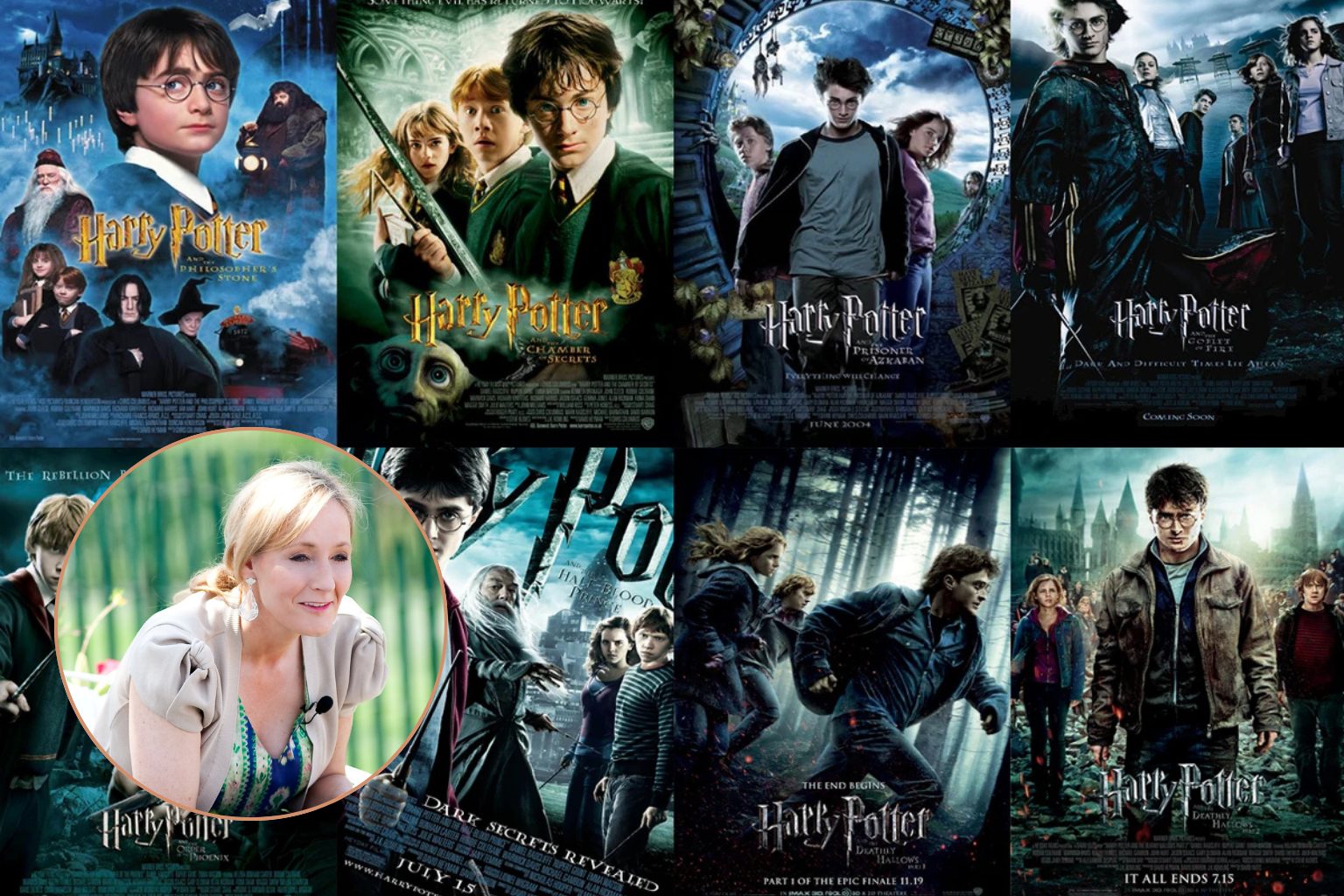
Few modern series have defined a generation quite like the Harry Potter books by J.K. Rowling.
First published in 1997, the saga follows the boy wizard Harry Potter as he discovers his identity, attends Hogwarts School of Witchcraft and Wizardry, and ultimately confronts the Dark Lord Voldemort.
Along the way, he is supported by his fiercely loyal friends Ron Weasley and Hermione Granger, as well as the wise and enigmatic headmaster Albus Dumbledore.
Across seven main novels published between 1997 and 2007, plus stage scripts and companion texts, the Wizarding World has grown into one of the most recognizable fictional universes of the past thirty years.
Below, you will find all the Harry Potter books in order, followed by companion Hogwarts Library texts and other Wizarding World additions.
Harry Potter books in order
Main series
- Harry Potter and the Sorcerer’s Stone (1997)
- Harry Potter and the Chamber of Secrets (1998)
- Harry Potter and the Prisoner of Azkaban (1999)
- Harry Potter and the Goblet of Fire (2000)
- Harry Potter and the Order of the Phoenix (2003)
- Harry Potter and the Half-Blood Prince (2005)
- Harry Potter and the Deathly Hallows (2007)
Stage play script
- Harry Potter and the Cursed Child (2016)
Hogwarts Library texts
- Fantastic Beasts and Where to Find Them (2001)
- Quidditch Through the Ages (2001)
- The Tales of Beedle the Bard (2008)
Wizarding World extras and screenplays
- Hogwarts: An Incomplete and Unreliable Guide (2016)
- Short Stories from Hogwarts of Power, Politics and Pesky Poltergeists (2016)
- Short Stories from Hogwarts of Heroism, Hardship and Dangerous Hobbies (2016)
- Fantastic Beasts and Where to Find Them: The Original Screenplay (2016)
- Fantastic Beasts: The Crimes of Grindelwald: The Original Screenplay (2018)
Publication order vs chronological order
For the core seven books, publication order and chronological order are effectively the same. The story unfolds year by year at Hogwarts, beginning with Harry’s first year and concluding with the Battle of Hogwarts and its aftermath. That means the best way to read the series is simply in publication order, starting with Sorcerer’s Stone and ending with Deathly Hallows.
Harry Potter and the Cursed Child takes place nineteen years after the events of Deathly Hallows, so it is read last.
The main Harry Potter books in order with short descriptions
Harry Potter and the Sorcerer’s Stone (1997)
The story begins when eleven year old Harry learns he is a wizard and has already become famous in the magical world for surviving Voldemort as a baby. At Hogwarts, he finds friendship, belonging, and danger in equal measure. The novel balances wonder and emotional warmth with a tightly constructed mystery that sets the tone for the entire series.
Harry Potter and the Chamber of Secrets (1998)
Harry returns to Hogwarts only to find students mysteriously petrified and a warning that the Chamber of Secrets has been opened. The book deepens the lore of Hogwarts and introduces darker undertones, while still retaining humor through characters like Gilderoy Lockhart and Moaning Myrtle.
Harry Potter and the Prisoner of Azkaban (1999)
With Sirius Black escaped from Azkaban and Dementors patrolling Hogwarts, the series begins shifting into more complex emotional territory. Themes of trauma, memory, and truth emerge, and one of the most intricate plot twists in the saga unfolds in the final chapters.
Harry Potter and the Goblet of Fire (2000)
The Triwizard Tournament brings international competition and escalating stakes. What begins as a thrilling magical contest turns into a turning point for the entire series, marking a clear tonal shift toward darker and more mature storytelling.
Harry Potter and the Order of the Phoenix (2003)
As the Ministry of Magic denies Voldemort’s return, Harry faces institutional resistance, psychological strain, and the tyranny of Dolores Umbridge. This is the longest and arguably most emotionally intense installment, exploring grief, isolation, and political denial.
Harry Potter and the Half-Blood Prince (2005)
This penultimate book focuses on Voldemort’s origins and the concept of Horcruxes, laying the groundwork for the final confrontation. At the same time, teenage relationships and rivalries continue to ground the story in relatable human experience.
Harry Potter and the Deathly Hallows (2007)
Harry, Ron, and Hermione leave Hogwarts to hunt and destroy Voldemort’s Horcruxes. The novel brings the saga to a dramatic conclusion, tying together long running mysteries and delivering one of the most ambitious finales in modern fantasy.
Harry Potter and the Cursed Child (2016)
Presented as a stage play script rather than a traditional novel, this story follows Harry’s son Albus Severus Potter and his friendship with Scorpius Malfoy. The text is written in script format with dialogue and stage directions, so it reads very differently from the original seven books. Set nearly two decades after the original series, it explores legacy, father son tension, and the risks of time manipulation.
The Hogwarts Library books in order
Fantastic Beasts and Where to Find Them (2001)
Written as a fictional textbook by magizoologist Newt Scamander, this companion volume catalogs magical creatures of the Wizarding World. It expands the universe beyond Hogwarts and later inspired the Fantastic Beasts film series.
Quidditch Through the Ages (2001)
A fictional sports history book that dives into the origins, rules, and evolution of Quidditch. It enriches the world building by treating wizarding sports as seriously as real world athletics.
The Tales of Beedle the Bard (2008)
A collection of wizarding fairy tales, including The Tale of the Three Brothers, which plays a crucial role in Deathly Hallows. These stories echo classic folklore themes while deepening the mythology of the series.
Wizarding World extras
The Pottermore based collections such as Hogwarts: An Incomplete and Unreliable Guide and the two Short Stories from Hogwarts volumes provide background lore on professors, politics, and magical history. They are compilations of previously published digital writings and are best suited for readers who want deeper world building rather than additional plot.
The Fantastic Beasts screenplays are not novels. They are published scripts of the films focusing on Newt Scamander and the rise of Gellert Grindelwald. While set in the same universe, they tell a separate story that takes place decades before Harry attends Hogwarts.
What is connected and what is optional
The seven main novels form one continuous narrative arc and should be read in order.
Harry Potter and the Cursed Child acts as a sequel set nineteen years later, but it is structurally different because it is a script.
The Hogwarts Library books and Pottermore collections are companion texts. They expand lore but are not required to understand the central story.
The Fantastic Beasts screenplays belong to a separate storyline within the same Wizarding World continuity.
Best reading path
If you only want Harry’s complete story
Read the seven main novels in order from Sorcerer’s Stone to Deathly Hallows.
If you want the full canonical continuation
Read the seven novels, then Harry Potter and the Cursed Child.
If you want everything in the Wizarding World
Read the seven novels, then Cursed Child, followed by the Hogwarts Library texts, Pottermore collections, and finally the Fantastic Beasts screenplays.
About J.K. Rowling
J.K. Rowling created a rare blend of classic British boarding school fiction and epic fantasy. The series functions as a bildungsroman, tracking Harry’s emotional and moral development from childhood to adulthood. Her writing style evolves with her audience, growing darker and more complex as the characters age. Themes of friendship, sacrifice, prejudice, political manipulation, and love are woven throughout. Despite the scale of its magical battles, the emotional core of the series remains deeply human.
FAQ
How many Harry Potter books are there in the main series?
There are seven main novels that follow Harry, Ron, and Hermione at Hogwarts.
How many Harry Potter books are there in total?
There are seven main novels. Many readers also include Harry Potter and the Cursed Child as an eighth canonical entry. In addition, there are three Hogwarts Library companion books and several Wizarding World extras and screenplays.
What is the correct order to read the Harry Potter books?
Read the seven main novels in publication order from Sorcerer’s Stone to Deathly Hallows. Cursed Child comes afterward.
What should I read after Harry Potter and the Deathly Hallows?
If you want the next chronological installment, read Harry Potter and the Cursed Child. If you prefer expanding the lore rather than continuing the timeline, try The Tales of Beedle the Bard or Fantastic Beasts and Where to Find Them.
Is Harry Potter and the Cursed Child a novel?
No. It is a stage play script written in dialogue format with stage directions, not a prose novel like the original seven books.
Are the Hogwarts Library books required reading?
No. They expand the world and deepen lore, but they are not necessary to understand the main storyline.
Are the Fantastic Beasts books connected to Harry Potter?
They are set in the same universe but focus on different characters and events that take place decades earlier.
When were the original Harry Potter books published?
The first book was published in 1997, and the seventh in 2007. Harry Potter and the Cursed Child was released in 2016.
Do the Harry Potter books get darker?
Yes. The tone gradually shifts from whimsical school fantasy in the early books to political conflict, moral complexity, and war in the later installments.
Whether you are revisiting Hogwarts or discovering it for the first time, reading the Harry Potter books in order ensures the most immersive experience in one of modern fiction’s most enduring magical worlds.
A University of Chicago graduate based in the U.S. with Polish roots. A lifelong book lover drawn to long, immersive stories and worlds worth returning to. Often rereads favorite passages instead of finishing new books and usually has at least one half-finished novel nearby. The Dark Tower remains a constant literary reference point.